
Empowering Neurodivergent Lives

Hello and welcome

I’m Olena, a neurodivergent therapist offering safe, affirming and lived-experience-informed therapy for autistic, ADHD and AuDHD adults, especially those navigating late diagnosis, masking fatigue, sensory overload, identity shifts or deep burnout.


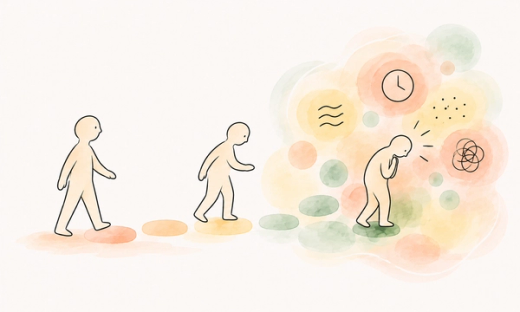
Why Neurotypical People Misjudge Autistic People Fast: Neurotransception Theory

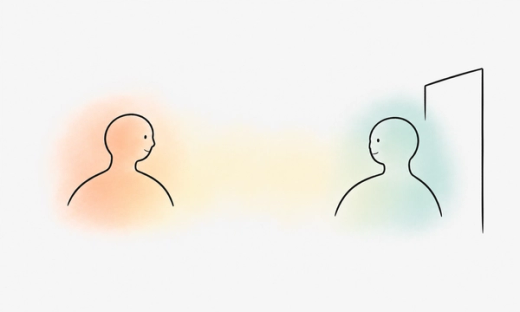
Neurotransception is a new relational lens for understanding why autistic and non-autistic people can misread each other quickly, even with good intentions. Building on neuroception (the nervous system’s safety scan), it focuses on what happens between two nervous systems: cues, body-state shifts, meaning-making, and the power dynamics that can follow uncertainty. 

Research shows neurotypical observers often form negative impressions of autistic people within seconds, driven largely by audio-visual style rather than content. Neurotransception frames this as a “guesswork gap” that can trigger withdrawal, fixing, masking, shame, or shutdown. 

Full text

Direct, Not Difficult - Autism
 and Workplace Communication

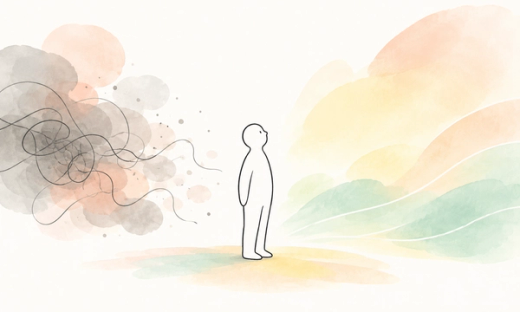
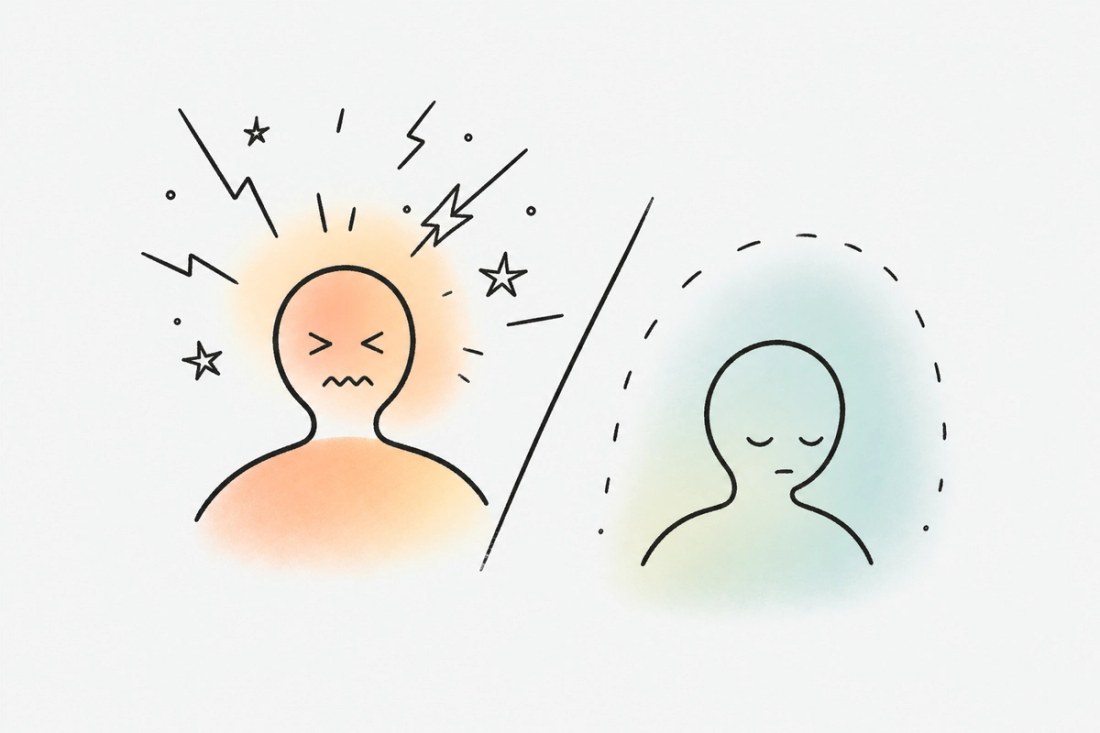
Most workplaces say they value inclusion, until autistic communication shows up as directness, urgency, or “too much”. The Sandford v Met Office Employment Tribunal case is a sharp reminder that “professionalism” can become a discrimination issue when tone policing replaces reasonable adjustments. 

The Tribunal treated “how she communicates and is perceived to communicate” as something arising from autism, and found the employer’s response disproportionate. In this article, I unpack what happened, what the judgment actually proved, and what it means for employers and autistic staff. Practical scripts included. 

Full text

Spooky, secure, and surprisingly healthy: what the Addams family can teach us about love and acceptance

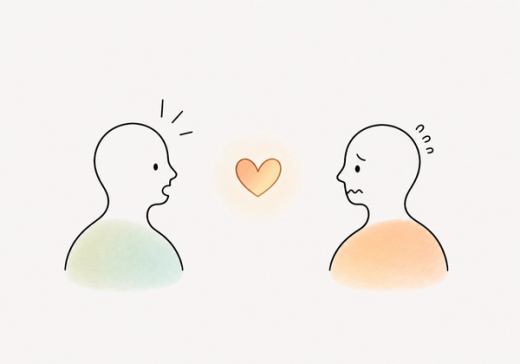
Some families bond over board games. Others over shared calendars and passive-aggressive WhatsApp messages about the dishwasher. The Addams Family bonds over swordplay, graveyards, and enthusiastic declarations of devotion. Yet, beneath the theatrical gloom sits something unexpectedly rare: psychological safety.

For decades they have been treated as a joke about eccentricity. Look closer and they resemble a model of secure attachment, emotional honesty, and unconditional belonging. This article explores why a fictional gothic household may demonstrate healthier relational dynamics than many real ones, especially through a neurodivergent-affirming lens.

Full text

Copyright © 2025 Olena Baeva. All rights reserved. 

We need your consent to load the translations

We use a third-party service to translate the website content that may collect data about your activity. Please review the details in the privacy policy and accept the service to view the translations.